How Duty Adjustments Reshape Progressive Pool Allocations Across New British Mobile Platforms
Written by Anna Baumann · Aug 26, 2026
How Duty Adjustments Reshape Progressive Pool Allocations Across New British Mobile Platforms
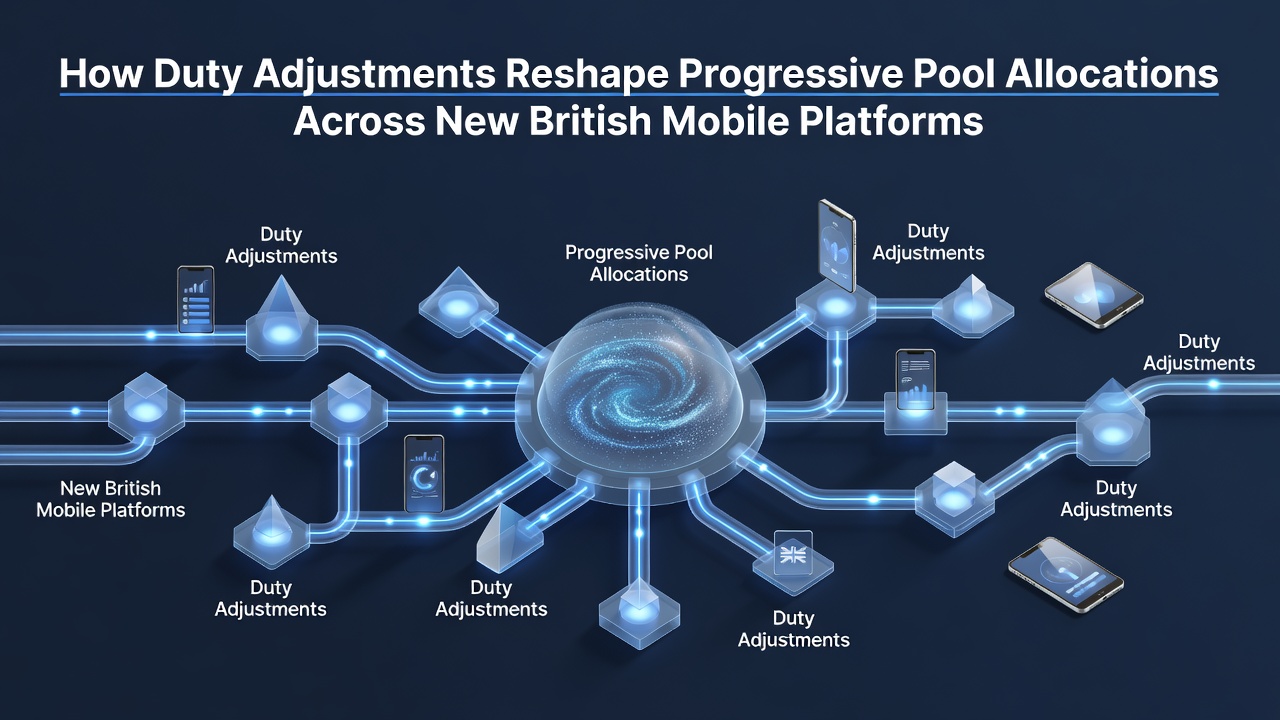
Recent duty adjustments have begun to influence how operators allocate contributions to progressive jackpot pools on emerging British mobile platforms, with changes tied directly to revised tax structures that affect gross gaming revenue calculations. These shifts alter the percentage of stakes directed toward shared prize funds, since duty rates determine the net amounts available after fiscal obligations. Data from industry reports indicate that platforms launching after mid-2025 have adjusted their pool funding models to maintain competitiveness while complying with updated fiscal requirements.
Mechanics of Duty Changes and Pool Funding
Progressive pools rely on small percentages taken from each bet across interconnected games and devices, yet duty adjustments modify the baseline revenue from which those percentages derive. When duty rates rise on machine games or remote gaming, operators recalibrate the contribution rates to preserve pool growth rates that attract players. Research from the Canadian Gaming Association shows similar patterns where tax modifications led to redistributed allocations across networked titles, and British platforms have followed comparable logic since the announcements preceding August 2026. Those adjustments, scheduled for implementation that month, introduce tiered rates based on platform type, prompting developers to restructure how mobile-specific progressive systems draw from overall revenue streams.
New British mobile platforms often integrate with cross-border networks, which adds layers of complexity because duty liabilities vary by jurisdiction even within a single progressive pool. Observers note that operators must now segment contributions more precisely to avoid over- or under-funding particular prize tiers. This segmentation appears in several titles released during 2025, where seed amounts and increment rates were lowered slightly to offset higher duty burdens while still delivering substantial jackpot potential.
Effects on Allocation Strategies Across Platforms
Allocation strategies have evolved as platforms adopt dynamic contribution engines that respond in real time to duty obligations. Instead of fixed percentages applied uniformly, some systems now apply variable rates depending on the player's location within Britain and the specific game category. Figures from the Australian Institute of Family Studies highlight how comparable regulatory environments elsewhere produced measurable drops in average pool sizes immediately after duty increases, yet recovery occurred once operators optimized their models. British examples echo this trajectory, with several networks reporting stabilized growth curves by the start of 2026 ahead of the August implementation date.

One study revealed that platforms emphasizing mobile-first design reduced the number of games feeding into a single pool, concentrating contributions from higher-volume titles to sustain momentum. This concentration helps counteract any dilution caused by increased duty, since fewer but more active games maintain steady inflows. Those who've examined the data note that such concentration also influences jackpot hit frequencies, which in turn affects player retention metrics tracked by operators.
Platform Innovations Responding to Duty Pressures
Emerging platforms incorporate algorithmic tools that forecast duty impacts on pool trajectories over multi-month periods. These tools allow operators to simulate different contribution scenarios before committing to a particular allocation structure. Evidence suggests that platforms utilizing such forecasting achieved more consistent pool growth compared with those relying on static models. The August 2026 duty adjustments accelerate adoption of these tools, since the new rate structure includes provisions for periodic reviews that could trigger further recalibrations.
Partnerships between software providers and platform operators have also shifted, with contracts now specifying duty-responsive clauses that govern how progressive contributions are shared. This contractual evolution ensures that neither party absorbs disproportionate fiscal pressure when rates change. Data indicates that such agreements have become standard on newer British mobile offerings, distinguishing them from legacy desktop-focused systems still operating under older allocation frameworks.
Conclusion
Duty adjustments scheduled for August 2026 continue to drive refinements in how progressive pools receive allocations on new British mobile platforms, with operators implementing segmented contributions, dynamic engines, and forecasting tools to sustain pool viability. These adaptations reflect broader patterns observed in other regulated markets, where fiscal changes prompt structural responses that preserve the appeal of shared jackpots while meeting tax obligations. The resulting landscape features more precise, responsive allocation mechanisms that align pool growth with evolving duty environments.