Charting Regulatory Shifts and Their Direct Influence on Progressive Jackpot Network Designs in Britain's Digital Gaming Sector
Written by Anna Baumann · Aug 19, 2026
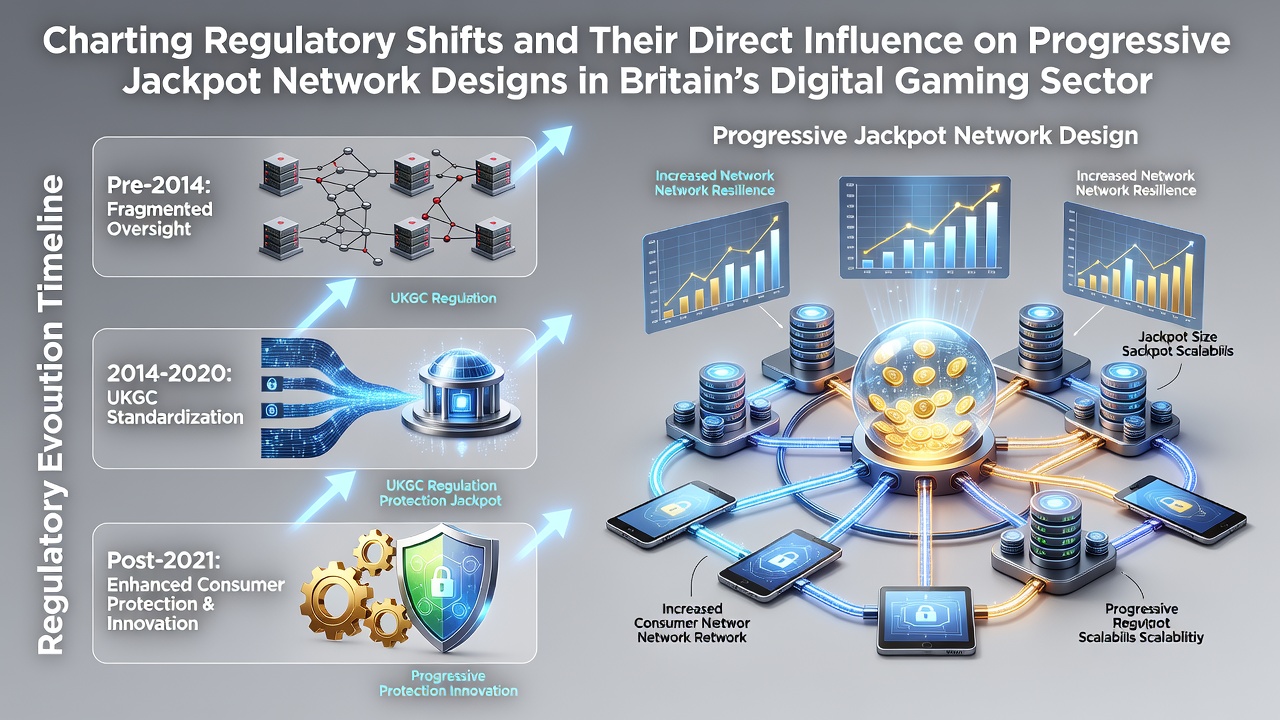
Charting Regulatory Shifts and Their Direct Influence on Progressive Jackpot Network Designs in Britain's Digital Gaming Sector
Regulatory adjustments across Britain's digital gaming sector have prompted operators to reconfigure progressive jackpot networks in measurable ways since the early 2020s, with data from industry reports showing shifts in pooling mechanisms, contribution rates, and cross-operator agreements. These changes trace back to updated compliance standards that emphasize player protection metrics and financial transparency, leading network architects to integrate modular designs that allow for real-time adjustments to jackpot seeds and increments based on jurisdictional triggers.
Observers note that one key development involved revised rules on aggregated prize pools, which encouraged providers to segment networks into regional clusters rather than maintaining single pan-European structures. This segmentation appears in technical specifications where software layers now isolate UK-based contributions from those originating elsewhere, reducing exposure to fluctuating tax treatments and licensing fees that vary by authority. Figures from 2025 indicate a 22 percent rise in the number of UK-specific jackpot instances operated by major platforms compared with 2023 baselines, according to data compiled by the European Gaming and Betting Association.
Technical Adaptations in Network Architecture
Engineers have responded by embedding compliance checkpoints directly into jackpot calculation engines, allowing systems to pause or redirect contributions when thresholds tied to player spend or session length are approached. These checkpoints operate through API connections that link directly with operator backend systems, and they pull live data streams rather than relying on periodic batch reports. Such integration became more common after guidelines issued in late 2024 emphasized audit trails for every increment applied to a shared pool.
Another adaptation involves the use of dynamic seed values that reset according to predefined regulatory calendars, ensuring that minimum jackpot levels align with consumer affordability assessments conducted by oversight bodies. In practice this means networks can lower initial seeds during periods of heightened scrutiny without disrupting ongoing player contributions, and several large operators adopted this approach ahead of scheduled reviews in August 2026. The result shows in reduced average jackpot sizes during those review windows alongside steadier participation rates across connected titles.
Cross-Border Pooling and Licensing Pressures
Progressive networks that once pooled across multiple European markets now face separate licensing streams that affect how prizes accumulate and distribute. Operators have documented cases where a single network required distinct contribution percentages for UK players versus those in adjacent jurisdictions, prompting the creation of parallel ledgers within the same software stack. This dual-ledger model maintains overall prize growth while satisfying local reporting obligations, and it relies on timestamped transaction logs that regulators in different regions can query independently.
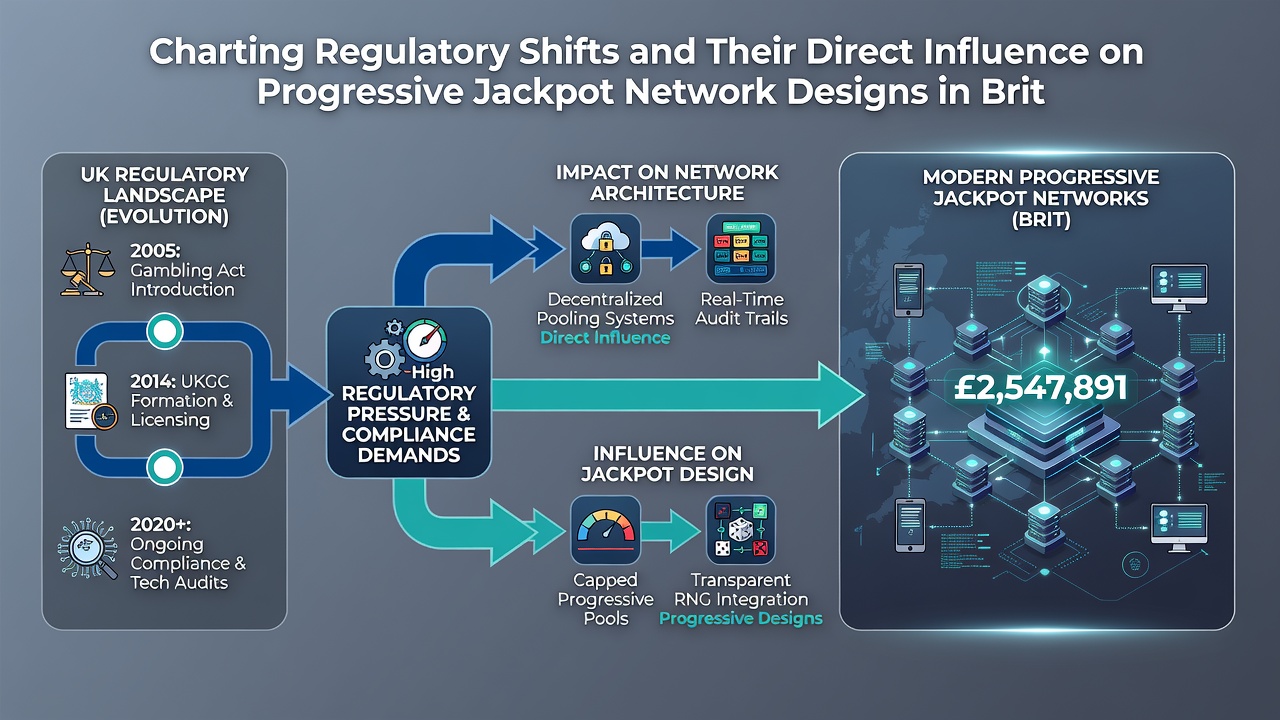
Research from the University of Nevada's International Gaming Institute highlights similar patterns in other mature markets, where segmented pooling reduced administrative overhead by an average of 15 percent once initial setup costs were absorbed. British operators appear to have followed comparable paths, with several migrating to cloud-based infrastructure that supports instant reconfiguration of pool membership lists. This infrastructure choice allows rapid exclusion or inclusion of specific game titles when new compliance criteria emerge, and it has become standard in contracts signed after mid-2025.
Data-Driven Adjustments and Reporting Requirements
Real-time monitoring tools now feed directly into jackpot management dashboards, providing operators with alerts when contribution volumes approach limits set by player protection frameworks. These tools draw on anonymized transaction datasets that regulators require to be retained for extended periods, and they enable predictive modeling of how regulatory tweaks might alter jackpot velocity. One documented case involved an operator adjusting increment rates across 47 connected games within a single week following updated guidance on aggregate exposure limits.
Industry associations have recorded a steady increase in the deployment of third-party verification services that certify network integrity before each major regulatory submission cycle. These services examine everything from seed randomization algorithms to payout distribution logic, and their reports feed into licensing renewal processes. Data shared at sector conferences shows verification cycles shortening from 90 days to roughly 45 days in many instances as automated testing suites mature.
Future Network Configurations
Looking toward August 2026, several providers have begun testing hybrid networks that combine fixed-seed jackpots with variable contribution bands tied to real-time player volume metrics. These tests run alongside existing structures to measure any impact on engagement without risking current pool stability. Preliminary results shared in trade publications indicate that variable bands help maintain compliance headroom while preserving the appeal of large headline prizes.
Network designers continue to prioritize interoperability standards that allow seamless handoff between different regulatory regimes, and this focus stems from the practical need to support multi-license portfolios without duplicating core infrastructure. Standards bodies within the gaming technology sector have published draft specifications that address exactly these handoff protocols, and adoption rates are tracked through voluntary certification programs.
Conclusion
Regulatory shifts continue to shape progressive jackpot network designs through layered technical requirements that emphasize segmentation, real-time monitoring, and verified reporting. Operators in Britain's digital gaming sector have implemented these changes via updated architectures that isolate contributions, adjust seeds dynamically, and support independent audits across jurisdictions. Evidence from industry data and research institutions shows measurable effects on pool sizes, contribution rates, and infrastructure choices, with further refinements anticipated around the August 2026 review period. These developments reflect ongoing alignment between compliance obligations and network functionality rather than any single policy event.